Parenting can be really wonderful and fun, although there can be so many problems when it comes to raising kids. Parents require some practical advice to solve problems such as managing screen time and studying, or teaching their kids how to behave. The right parenting tips will be a key to success and will allow parents to create a proper atmosphere at home for raising children.
It does not matter whether you have a toddler, a school-going child, or a teenager; as parents, there are some basic steps that you should take to make sure that the environment at home is right for the development of your children. The following tips are meant to guide your children socially, emotionally, and educationally.
What are the proper rules of upbringing?
Here are some of the best parenting tips:
- Listen to children carefully
- Creating Clear, Consistent Boundaries
- Praise for effort and progress
- Building healthy daily habits
- Happy in each other’s company
- Fostering independence
- Teaching children to manage emotions
- Supporting learning with no added stress
- Being a good role model
12 Tried and Tested Parenting Tips to Raise Happy Kids
1. Speak Out Loud to Your Child

Children will value themselves and their ideas when they are openly communicated with. Instead of immediately pointing out a mistake, listen to what the child is trying to tell you.
Questions to ask, such as:
- “Had a good day?”
- “What made you happy today?
- “Was anything hard for you?”
- “feelings and concerns.
2. Set Clear and Consistent Rules
Parenting Tips: Kids need structure, and they will understand the expectations through the use of rules.
Maintain easy and age-appropriate house rules. Here is an example: For example,
Have fun before screen time. Do homework.
- After play, put toys away.
- Talk nicely to your family members.
- Establish bedtime routines.
Be consistent. With changing rules every day, children might have difficulty understanding what exactly they are meant to do.
3. Effort over Achievements
The best advice to give a parent would be the importance of effort, and not only achievements.
Instead of saying:
- You are so clever.
- Give this a shot:
- You have worked really hard on that.
It will teach the children to appreciate perseverance and learning. It can even make the children more relaxed about problems and failures.
4. Establish a Healthy Daily Routine

A schedule can help the children feel secure and reduce stress in the family.
The usual routine could be:
Morning,
Get up → Dress up → Breakfast → School
Afternoon:
Snack → Homework → Breaktime → Play
Nite: Dinner time, family time, reading, and then sleep.
If your child is having trouble with schoolwork, we suggest that you check out our article about ways to help children become better students by establishing simple routines.
5. Quality Time
Quality time doesn’t always have to be long or expensive outings.
You can:
- Cook with me
- Read a book.
- Let’s take a walk.
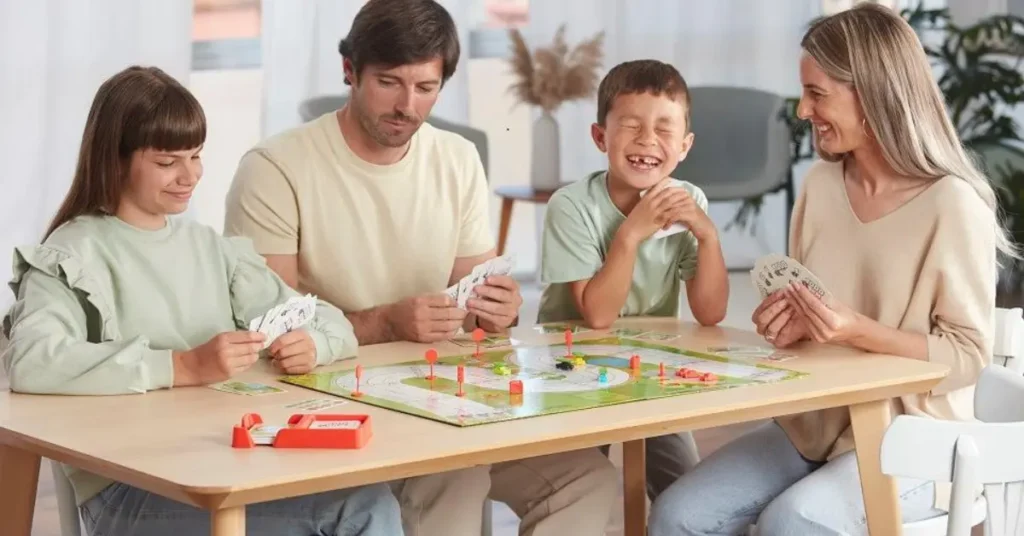
- Tabletop games
- Crafts or drawing
- Dinner talk
- Help me with a hobby?
Even 15-30 minutes of focused family time can give kids a chance to connect with their parents.
6. Promote Independence

It is natural that parents wish to assist their kids, but if you do everything for them, you close doors for many opportunities for your kids to become independent.
Allocate proper duties to your kids, such as:
- Organization of School Materials
- Selecting clothes
- Tidying up their room
- Making a simple snack
- Filling their school bag.
- Personal Property Care
Allow your kids to make small decisions so that they can learn about self-respect.
7. Assisting Your Kids in Dealing with Emotions
It is necessary for kids to understand that emotions form an integral part of life and that they can deal with these emotions in several positive ways.
If your child feels sad, then first identify the emotion:
If your kid feels sad, try first recognizing the emotion:
- “I can see you feel frustrated.
- Then help them to find solutions.
- The basic strategies are:
- Breathing in slowly
- Having a short break
- Discussing the problem
- Drawing or writing feelings
- Seeking help from adults
This approach does not aim to shield children from tough emotions. Rather, the focus should be on helping children cope with these feelings healthily.
8. Be a Good Example
Children often learn more from watching their parents than from listening to them.
If you want your child to…
- Read often. Let them see you read.
- Model respectful communication and speak respectfully.
- Eat good foods, make good choices for yourselves
- Stay calm, manage your frustration, and model healthy ways of coping.
- Your daily behavior can be an important learning experience.
9. Establish Healthy Screen-Time Limits

Parenting Tips: Technology can be a great aid for learning and entertainment, but children also need time to sleep, play sports, interact with family, and pursue interests outside the computer.
Establish clear expectations around
- When devices are available
- Where devices may be used
- Time to switch off the screens
- Content that is appropriate for use
Instead of just focusing on the negative aspect of restricting screen time, try to think positively by engaging in activities like reading, being outside, creating, doing sports, or even spending time together as a family.
10. Promote Reading and Learning
Parenting Tips: Reading can help your vocabulary, imagination, knowledge, and communication. Include reading as part of your family’s routine. And instead of always selecting books for children, you can let them choose based on their interests.
Read together, for younger kids. For older children, discuss what they are reading and what they think of the story. You can also combine reading with educational activities to make learning more fun.
11. Instill Responsibility in Small Tasks
Children can learn to be responsible by doing everyday things.
For instance:
For young children:
- Put the toys away.
- Put the clothes into the laundry basket
- Help set the table.
School-age children:
School Supplies Organize
Keep their rooms tidy.
Assistance with everyday chores
Older kids:
- Handle school deadlines
- Plan your meals
- Take possession of personal property
Start with small responsibilities and build up as the children are able.
12. Carve out time for physical activity
Children need to move and be active regularly. Promote activities that match their interests. Good Parenting Tips.
Some suggestions include:
- Pedestrian
- Bicycle riding
- Playing out
- Dancing –
- swims
- Sports
- Family game night
Physical activity can also be a way for parents and children to spend time together.
Tips for parents to improve school performance
Parents Can Help Education Without Recreating the Classroom at Home
Here are some ideas:
Set Up a Study Area
Having a quiet, organized study area can help children focus.
Create a Homework Routine
Create a routine for homework with time for reasonable breaks.
Encourage Questions
Tell children that asking questions is part of learning.
Concentrate on progress
Do not compare your child with siblings, classmates or other children.
Celebrate Small Wins
Small Wins to Celebrate
Note any signs of hard work, better organization, or success in challenging subjects. The important thing is that children develop good studying habits; there is no need to get all As.
Advice for Parents to Foster Self-Confidence
Children gain confidence when they feel competent, supported, and respected.
Parents can contribute to this process by:
- Allowing children to make age-appropriate choices
- Let them work on simple problems
- Celebrating genuine effort
- Hobbies Encouraged
- Listening to their views
- Not making pointless comparisons
- Allowing them to learn from reasonable mistakes
Ask, instead of immediately solving all the problems:
‘Have you any idea what you might try?
This gives children the opportunity to practice problem-solving.
Common Parenting Mistakes to Avoid
All parents make mistakes. “The key is being able to recognize patterns and improve.
Children Compared
Comparing children to siblings or classmates can be discouraging and create unnecessary competition.
The Pursuit of Perfection
Kids need to make mistakes and learn from them.
Applying Inconsistent Rules
Parenting Tips: Rules should be clear and fairly consistent.
Invalidating a Child’s Feelings
You may not always agree with a child’s reaction, but hearing how they feel helps keep the lines of communication open.
Doing All for Them
It’s important to help, but kids also need chances to grow independence.
Focusing on Grades Alone
Good grades are important, but so is emotional development, confidence, responsibility, relationships, and healthy habits.
How To Be A More Effective Parent
You don’t have to change everything all at once. Begin with one or two pragmatic habits.
I’ll be there.
Week 1: Develop a bedtime routine.
Week 2: Have 15 minutes of uninterrupted family time.
Week 3: Assign your child another age-appropriate responsibility.
Week 4: Establish a routine for reading or studying.
Little changes that are realistic and consistent can become long-term family habits.
Conculsion
Effective parenting is not about being perfect. It’s about the day-to-day. Good parenting tips can assist families in setting up routines, enhancing communication, promoting independence, and nurturing children’s emotional and educational development.
Listen to your child, set reasonable limits, praise their efforts, and give them opportunities to learn and develop. And most importantly, remember that kids need both guidance and encouragement to learn and develop their own skills and confidence.
Most Asked Questions About Raising Kids
What is the best advice for parents?
Parenting strategies that help include: open communication, consistent boundaries, encouraging independence, acknowledgment of effort, establishing healthy routines, and spending quality time with children.
How can I make my kid behave better?
First, establish clear expectations and consistent boundaries. Calmly explain rules and routines. Reinforce positive behavior. Help children understand what their actions do
How can parents foster confidence in their children?
Let children make age-appropriate choices, solve problems, learn new skills, and have success through effort and practice.
How can I help my child develop good study skills?
Having a regular study timetable, creating a good study environment, taking short breaks, avoiding distractions, and focusing on effort and progress rather than results.
How much are the parents spend quality time with their kids?
No one amount will fit every family. Being in the presence of someone else while your mind is elsewhere, a persistent, concentrated interaction may be more significant.