Car maintenance is very important in improving the performance of your car and increasing its fuel economy. Whether you use your car every day or only on weekends, the following car maintenance checklist can help you maintain your car efficiently. This car maintenance checklist covers all daily, monthly, seasonal, and yearly maintenance tips that all car owners must know.
Why you should keep your car
Regular vehicle maintenance offers a wealth of benefits: follow this complete car maintenance checklist to improve fuel efficiency, extend your vehicle’s lifespan, prevent costly repairs, and drive all year safely.
Improves fuel economy.
- Increases engine life
- Reduces the costs of repair
- Avoid unexpected breakdowns
- Improves driving safety
- Adds to resale value
- Helps it run more smoothly
“Failure to do regular maintenance could cause engine wear, decreased miles per gallon, and costly repairs.
Car Maintenance checklist daily
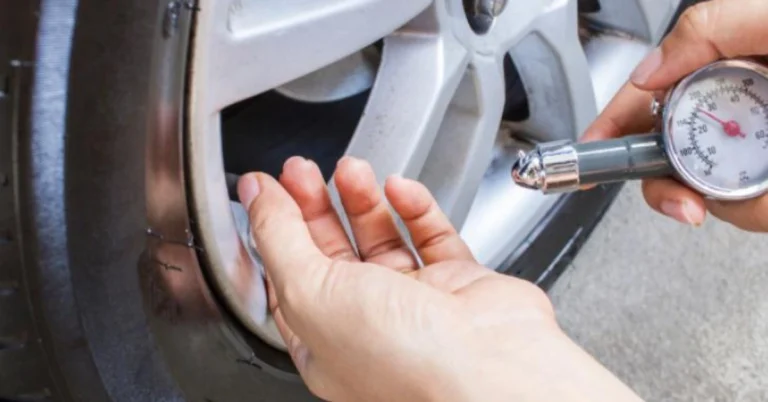
Check your vehicle for a few minutes before driving. Tire Pressure and Fuel Consumption: Everything You Need to Know
Check Tire Condition
Check your tires for:
- Low pressure
- Divides
- Irregular tire wear
- Nails or stab wounds
Proper tire pressure leads to better fuel economy and longer tire life.
Check for Leaks of Fluid
Look under your car for signs of:
- Engine-oil
- Coolant
- Brake fluid DOT 3 or DOT 4
- Fluid, transmission
Early detection prevents major mechanical problems.
Check the lamps
Check that all lights are working.
Look up:
- Head-Lights
- Brake lights.
- Blinkers
- Back-up lights
- Fog lamps
- Clear Windshield
A clean windshield helps improve visibility and gives you the feeling of safety while driving your car.
Remember to refill the windscreen washer liquid.
Weekly Car Maintenance List
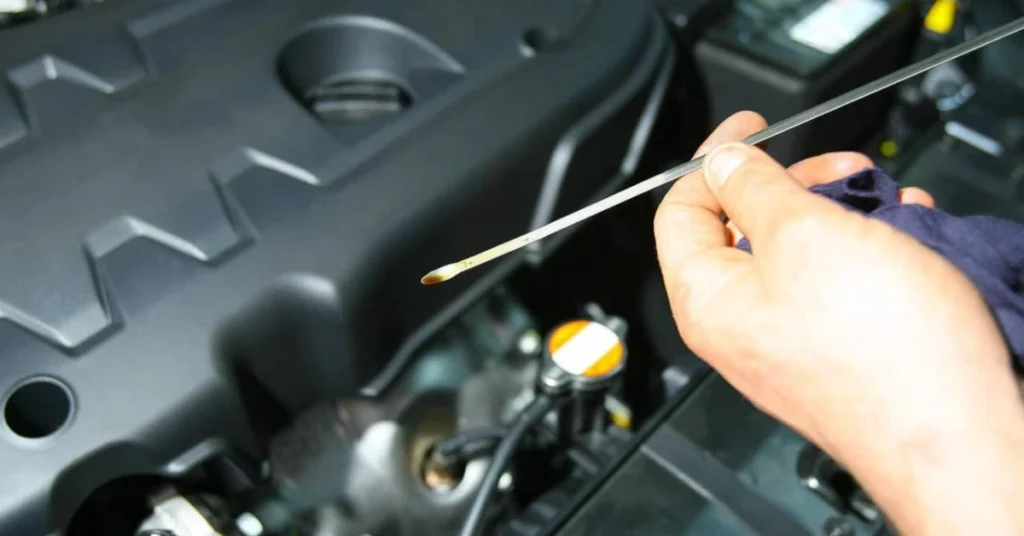
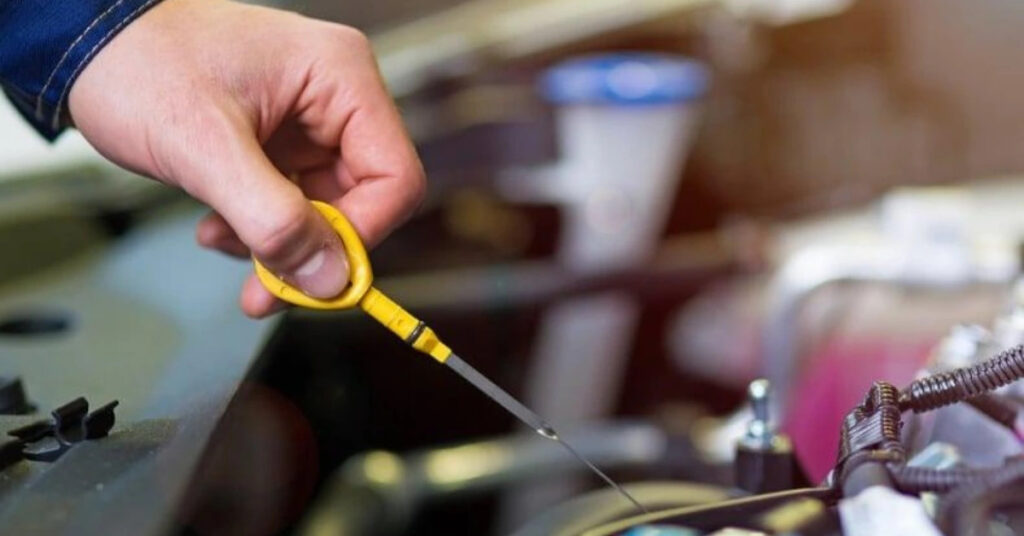
Check Engine Oil Level
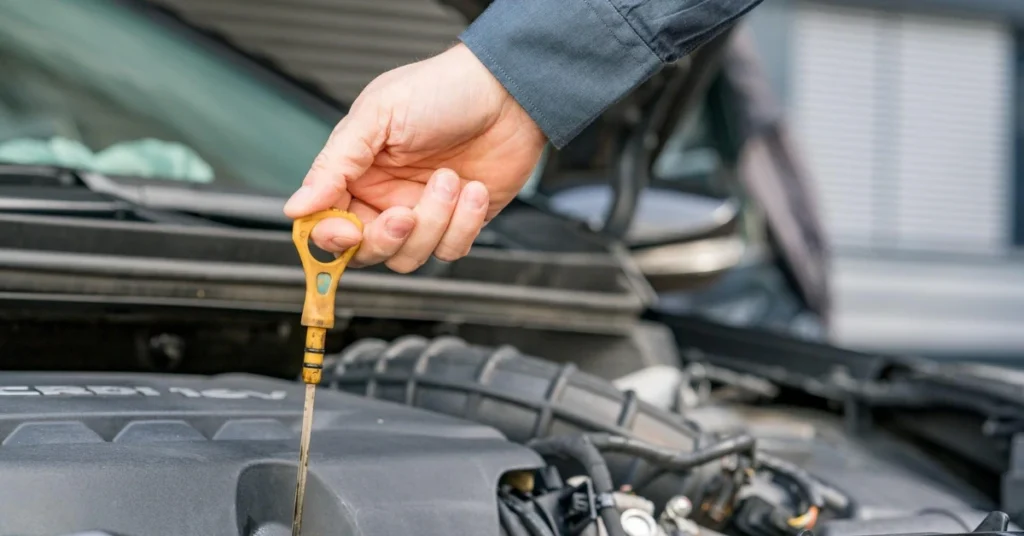
5 Engine oil prevents overheating and lubricates the moving parts.
Procedure:
- Park on a flat surface.
- Turn the engine off.
- Pull out the dipstick.
- Clean it off.
- Reinstall. Check oil level.
If low, add oil as recommended by the manufacturer.
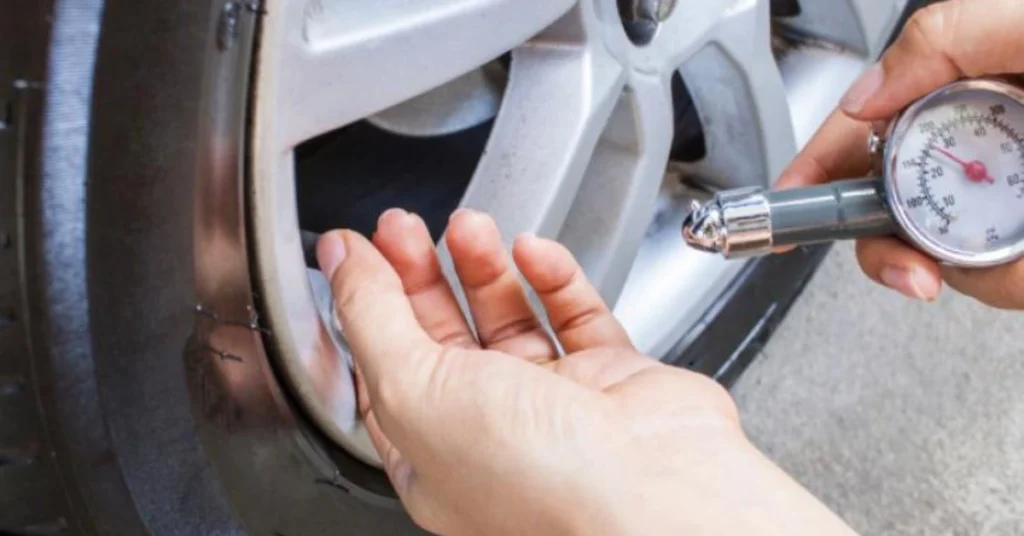
Check tire inflation
Get a tire pressure gauge.
Proper tire pressure:
- More mileage
- Improves handling
- Lowers tire wear
Always use the PSI recommended on your owner’s manual or driver’s door sticker.
Check the Windshield Wipers
Replace wiper blades when they:
- Streaks left
- Squeak
- Skip over the glass
- exposed cracks
Monthly Car Maintenance Checklist
Check Batt
Search for:
- The Rusting
- Terminals loose
- Cables damaged
- Batterie faiblissante
If there is corrosion, clean the battery terminals.
Coolant Level Check
Coolant prevents the engine from overheating. Check coolant only when the engine is cool.
Brakes Test
- Pay attention to:
- Scraping noises
- Squeal
- Soft brake pedal feel
- Vibes
This could be a sign of bad brake pads or other problems.
Air Filter Check
A dirty air filter can cause:
- Engine power reduced
- Increased fuel consumption
- Reduced acceleration
Change it as per the manufacturer’s schedule.
Every 5,000 – 10,000 Miles
- Change the engine oil
- Fresh engine oil.
- Protecting engine parts
- Improves fuel economy
Less wear
Follow the oil change schedule recommended by your vehicle’s manufacturer.
Tire Rotation
Rotating tires helps:
- Even Tread Wear
- Extend the life of your tyres
- Improve treatment
Most vehicles do better with a tire rotation every 5,000 to 8,000 miles.
Check Belts and Hoses
Search for:
- fractures
- Leaks
- Unraveling
- Soft spots.
Replace worn parts before they break.
Every 20,000-30,000 miles
- Replace Cabin Filter
- A clean cabin air filter:
- Enhances the air quality
- Dust reduction
Enhances HVAC performance
Check Suspension Check:
- Shock absorbers
- Struts
- Bushing’s
- Ball joints
Worn suspension components can impact comfort and safety.
Yearly Car Maintenance Checklist
- Alignment of the Wheels
- Reasons for bad alignment:
- Uneven wear on tires
- Steering problems
- Lower fuel economy
If your car is pulling to one side, or after hitting a pothole, have the alignment checked.
Brake Check
- A professional inspection should encompass:
- Brake pads
- Blades
- Brake fluid
- Brake lines
Spark Plugs (Replace As Needed)
Worn Spark Plugs Can Result In:
- Difficult starting
- Bad gas mileage
- Misfires in the engine
Refer to your owner’s manual for replacement intervals.
Inspect the exhaust system.
Look out for:
- Rust
- Leaks
- Loose mountings
- Strange noises
A properly functioning exhaust system will improve engine efficiency and reduce emissions.
Car Maintenance Tips for Each Season
Summers
- Coolant inspection
- Test the air conditioning
- Tire inspection
- Verify battery health
Winter
- Check anti-freeze (coolant)
- Performance of the test battery
- Replace Worn Wiper Blades
- Check the heater and defroster
- Inspect tire condition
Important Fluids to Check Fluid
Frequency of Checks
Engine Oil Weekly Coolant Monthly
Brake Fluid
Transmission Oil Monthly
All Services Power Steering Fluid Monthly
Windshield Washer Fluid Weekly
Signs That You Need Immediate Maintenance
Warning signs you should not ignore:
- Engine Warning Lamp
- Engine overheat
- Strange sounds
- Low fuel efficiency
- Fumes of exhaust
- Fluid leaks
- Vibrations when driving
- Problem starting
If you see some signs, get a professional inspection done.
How to Maintain Your Car to Improve Gas Mileage
Good maintenance will also help you save fuel
- Keep your tyres inflated
- Change dirty air filters
- Timely change of engine oil.
- Do not pack on the pounds
- Keep the wheels aligned
- Accelerate slowly as you drive.
Ensure the engine is tuned up correctly
Common Mistakes in Car Maintenance
Steer clear of these mistakes:
- Skipping oil changes
- Ignoring dashboard warning lights /
- Driving on under-inflated tires
- Postponing brake repairs
- Wrong engine oil.
- Ignoring coolant maintenance
- Not caring for the battery
- missed scheduled servicing
Basic Car Maintenance Tools
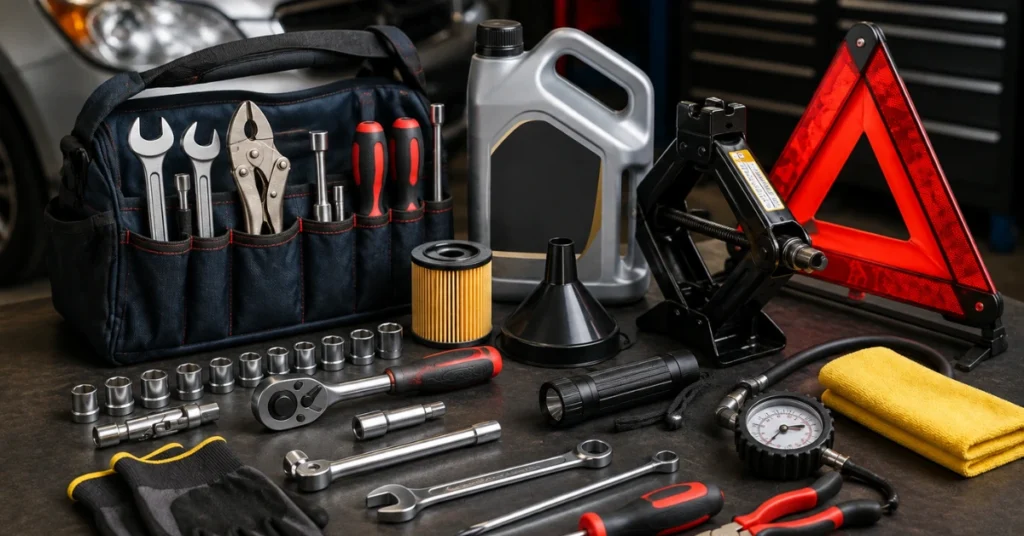
Have these in your car or in the garage:
- Tire pressure gauges
- Jump leads
- Torch
- Jack and a tire iron
- Set of screwdrivers
- Glove
- Portable air compressor
- Emergency toolbox
Frequently Asked Question
How often should I service the car?
Most vehicles should be serviced at 5,000–10,000 miles or as per the manufacturer’s maintenance schedule.
What is the most important maintenance?
One of the most important things you can do is to change the oil regularly, check the tire pressure, check the brakes, check the fluid levels, and keep the battery in good shape.
Will regular maintenance improve fuel economy?
Yes. Properly inflated tires, clean air filters, fresh engine oil, and a well-tuned engine can greatly improve fuel economy.
How often should I check my engine oil?
Check engine oil at least once a week or before a long trip.
What happens if you don’t maintain your car?
If you neglect regular maintenance, your car can run poorly, get worse gas mileage, break down unexpectedly, and cost you more to repair.
Summary:
A car maintenance schedule is guaranteed to keep your vehicle in its best shape, efficient, and most importantly, safe. Consistent maintenance, changing oils on time, taking proper care of your tires, and following the servicing schedule set by your manufacturer are sure to help in increasing the life span of your vehicle and decreasing its overall cost of ownership.