With gas prices on the rise, fuel-efficient driving habits have never been more critical. The good news is you don’t need to buy a new car to reduce your fuel consumption. Learn to drive in a fuel-efficient manner. This will not only save you money but also minimize the wear and tear on your car’s engine while enhancing the mileage of your car. If you own a gasoline, diesel, or hybrid car, small differences in your driving habits may result in big fuel savings. Here is the complete guide on how to maximize your car’s fuel efficiency.
Reasons Why It Is Important To Drive Efficiently
Driving efficiently can save you more than just money.
Benefits of Driving Economically
- Lowered fuel costs
- Improved fuel economy
- Less carbon emissions
- Longer life for engine
- Less wear on brakes and tires
- Reduced Maintenance Costs
- Drive more safely and smoothly
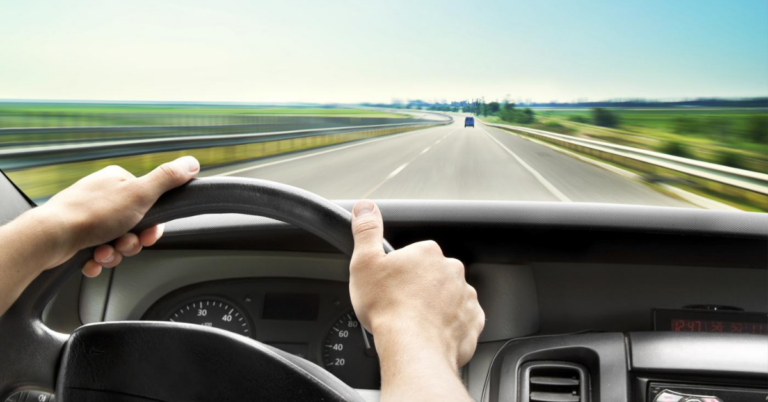
1. Maintain a Constant Speed
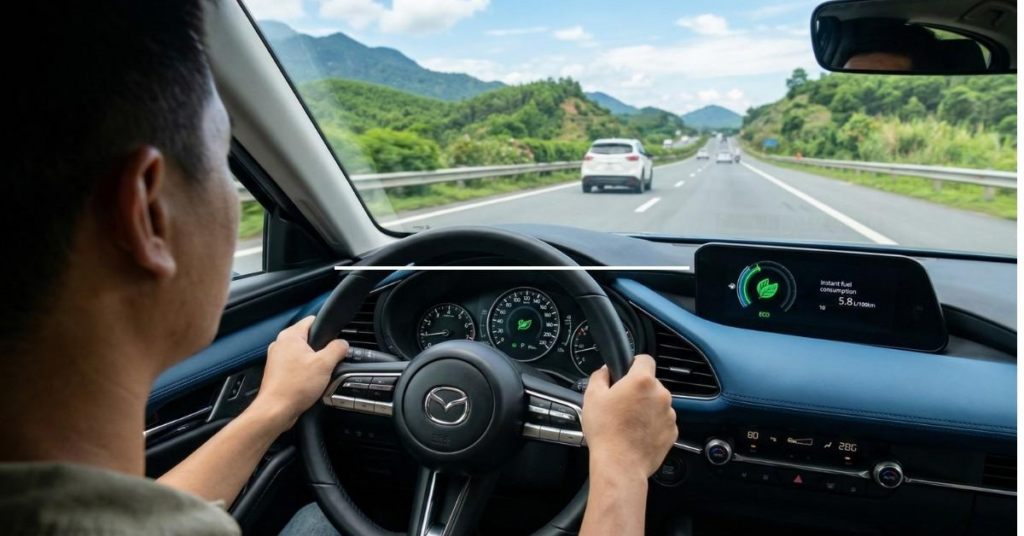
They accelerate and brake hard, wasting fuel. However, try to keep a steady pace whenever possible. Cruise control will help you since it can be very useful when it comes to reducing your fuel consumption while you drive, as you will not be driving either too fast or too slow.
Driving Pro Tip: Drive smoothly.
2. Don’t Accelerate Aggressively
The more you press hard on the accelerator, the more fuel the engine will burn.
Instead:
- Speed up gradually.
- Speed up gently and smoothly.
- Don’t gun it away from the lights.
3. Brake Lightly
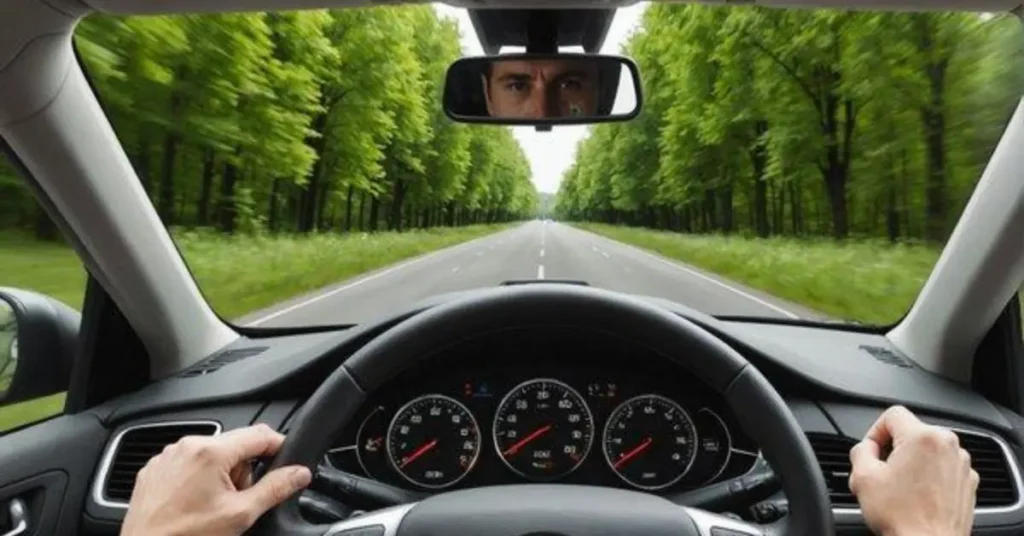
Braking hard wastes energy already used by your vehicle.
Look ahead and anticipate traffic conditions to slow down naturally.
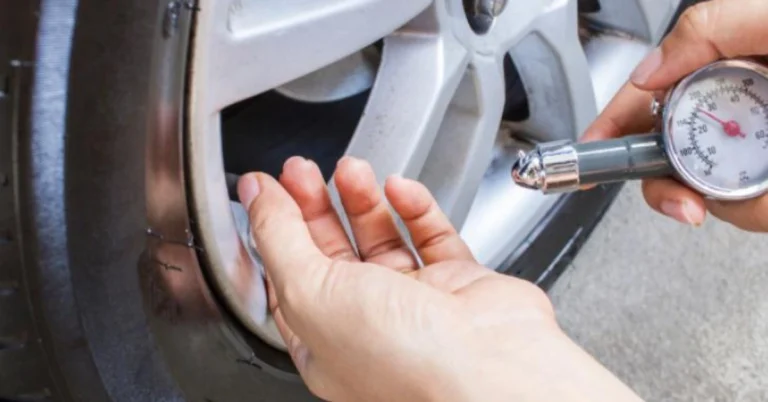
4. Inflate Tires Properly
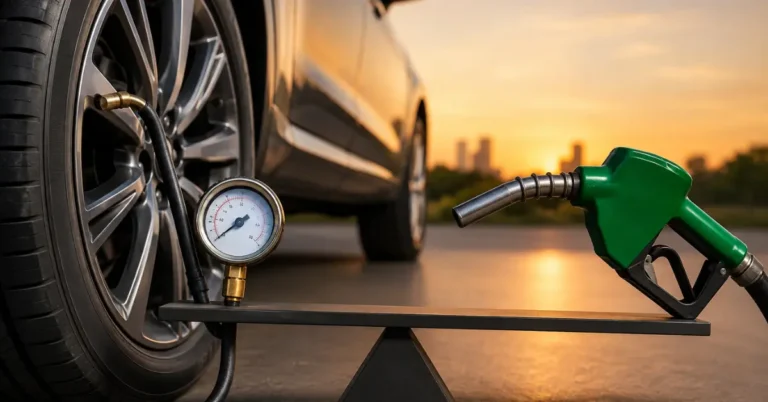
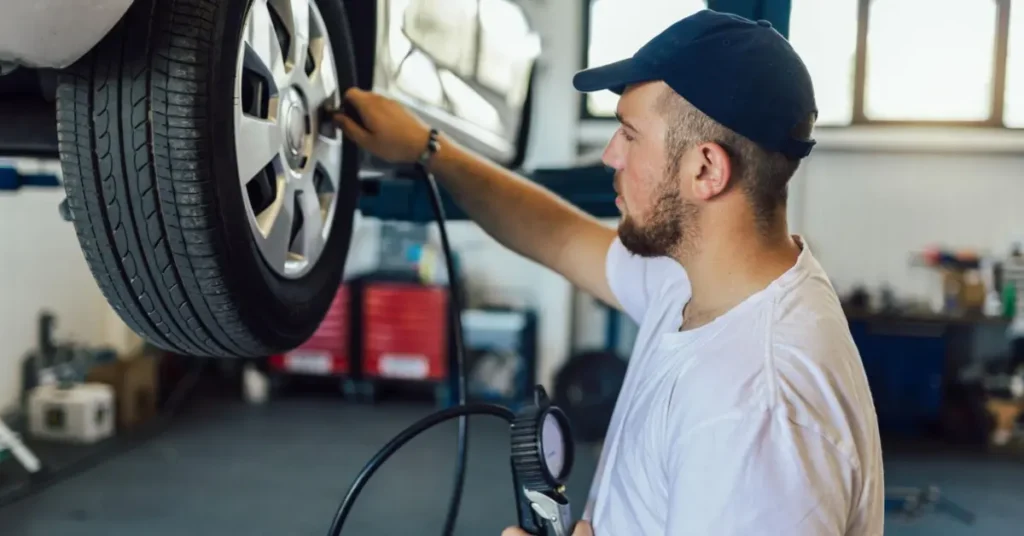
Under-inflated tires have more rolling resistance, making your engine work harder. Check your Tire Pressure and Fuel Consumption at least once a month and keep it at the level recommended by the manufacturer.
Benefits are:
- Better fuel consumption
- Better handling
- Longer tire life.
5. Lose the Extra Weight
Every extra kilogram or pound adds to fuel consumption.
Delete superfluous items from:
- Trove
- Roof bar
- Rear seats
Service will keep your engine functioning properly.
6. Service Your Car Regularly
Key maintenance consists of:
- Oil Changes
- Change the air filter.
- Spark plug inspection.
- Replace the fuel filter.
- Wheel alignment
Car Maintenance Checklist: In good condition, has better gas mileage.
7. Change Dirty Air Filters
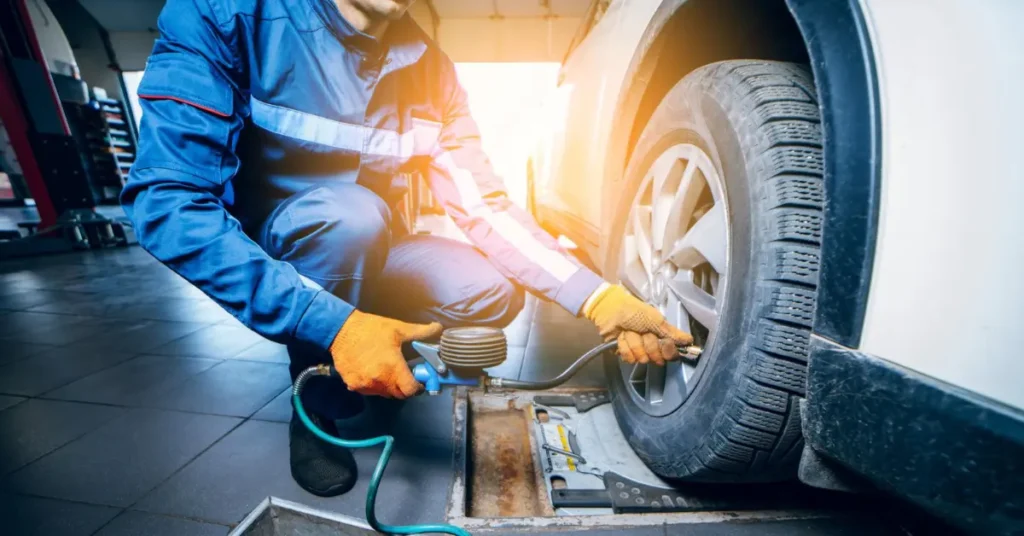
A clogged air filter restricts the air flow to the engine, which reduces performance and fuel economy.
Check your air filter at scheduled maintenance.
8. Use the Right Engine Oil
Make sure that you always use the oil grade suggested by the automobile manufacturer.
Today’s oils with low friction increase efficiency in the engine.
9. Avoid Too Much Idling
Idling wastes gas without moving the car.
Switch off the engine if it is idling for more than a minute, unless otherwise instructed by traffic circumstances.
10. Plan Your Trips
Several short trips with a cold engine consume more fuel than one longer, planned trip.
“If possible, consolidate errands into one trip.
11. Use Air Conditioning Smartly
The air conditioning puts a load on the engine. Fuel-Efficient Driving Habits.
In mild weather:
- Use fresh air whenever possible.
- Don’t overuse the air conditioning.
When driving fast, keep windows closed to reduce aerodynamic drag.
12. Changing Gears Efficiently (Manual Cars)
Driving in the right gear keeps the engine’s RPM in an efficient range. Fuel-Efficient Driving Habits
Stay away from:
- Staying in too low a gear too long
- The engine runs at high RPM
- Gear changes delayed
13. Follow speed limits
Fuel efficiency usually decreases with speed, as aerodynamic drag increases.
Driving within posted speed limits helps save fuel and increases safety.
14. Dodge Rush Hour When You Can
- What causes heavy traffic?
- Deceleration Repeats
- Hurry up, hurry up, hurry up
- Idle prolonged
Fuel economy can be improved by traveling at less congested times.
15. Keep an eye on your fuel economy
Many modern cars have fuel economy displays.
Keeping track of your mileage may help you pinpoint habits that consume more fuel and inspire you to continue improving.
Using fuel on driving habits
Don’t make these mistakes:
- Overspeeding
- Fast acceleration
- Braking hard
- Being overweight
- Bad tire maintenance
- Ignoring warning signals
- Non-working vehicles
- Sitting for too long
Fuel-Efficient Driving Checklist
| Habit | Benefit |
| Smooth acceleration | Lower fuel consumption |
| Gentle braking | Conserves energy |
| Proper tire pressure | Better mileage |
| Regular maintenance | Improved engine performance |
| Correct engine oil | Reduced friction |
| Light vehicle load | Less fuel usage |
| Planned routes | Fewer unnecessary miles |
| Steady highway speed | Improved fuel economy |
Best Fuel-Saving Tips for Long Trips
- Check tire pressure before departure.
- Fill up at reliable fuel stations.
- Pack only essential luggage.
- Use cruise control when appropriate.
- Avoid unnecessary stops.
- Keep windows closed at highway speeds.
- Follow scheduled maintenance before long journeys.
Conclusion
Fuel-efficient driving is a very simple way to decrease fuel consumption. Such activities as maintaining steady speeds, looking for tire inflation levels, and removing unnecessary weight have the potential to make a big difference in the long run. With the use of these methods, you will save money and make your car last longer while at the same time helping to keep the environment clean. Fuel-Efficient Driving Habits.
Frequently Asked Questions: Fuel-Efficient Driving Habits
What is the most economical driving habit?
Keeping a steady speed and avoiding aggressive acceleration are two of the most effective habits to improve fuel economy.
Does speeding affect fuel economy?
Yes. The faster you go, the more fuel you burn because aerodynamic drag on the car increases.
How does tire pressure influence fuel efficiency?
Yes. Properly inflated tires reduce rolling resistance and help improve mileage.
How does cruise control affect gas mileage?
Cruise control can help you maintain a constant speed and improve gas mileage on long, relatively flat highways.
Does the extra weight use up fuel?
Yes Extra weight means more engine power and more fuel consumption
How often should I get my car serviced?
Keep to your vehicle manufacturer’s maintenance schedule to keep the engine running efficiently.