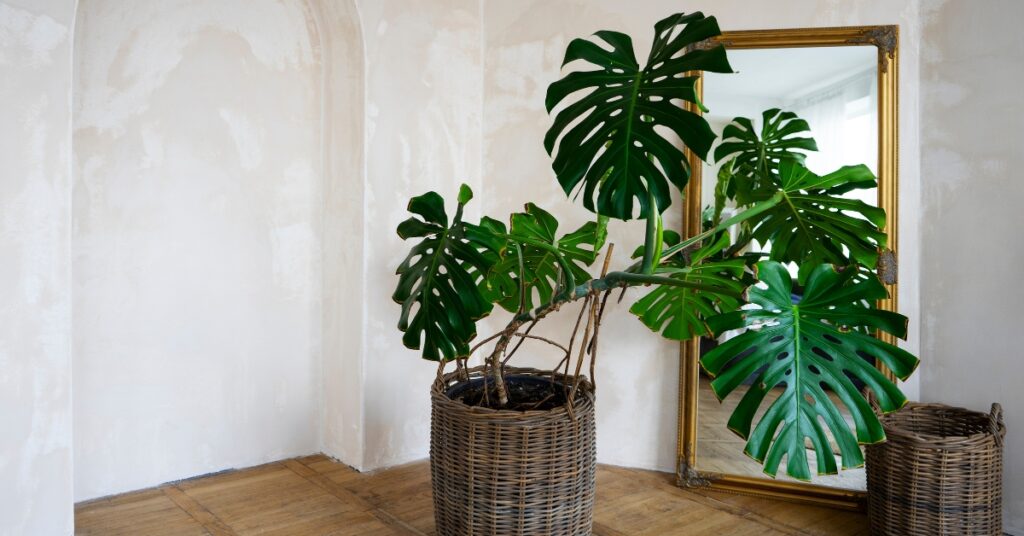
The Monstera plant is among the most popular and fashionable house plants in the present day. It is famous due to its huge glossy leaves with canonic perforations that will make any interior garden atmosphere more tropical. Though it may seem exotic, it is actually really easy to care about a monstera when you know the ropes.
Herein is a guide on how to water, position, feed and maintain your monstera to ensure that it lives healthy and strong even within the home.
What Is a Monstera Plant?
Monstera plant, commonly referred to as the Swiss cheese plant, is a Central American tropical plant. It is called Monstera deliciosa, its scientific name and is known to have unique leaf holes and splits.
The most important features are:
- Large, glossy green leaves
- Openings formed by natural division and by opening up as it gets older.
- Climbing growth habit
- Indoors, moderate to rapid growth.
A stunted can also be a beautiful piece of furniture in your home; when properly taken care of, that is.
Lighting Needs of a Monstera Plant
Monstera cannot resist light
Ideal Lighting Conditions:
- Bright, indirect sunlight
- Filtered light near a window
- Moderate indoor lighting
Do not expose the leaves to the harsh direct sun, as it can scald the leaves or cause them to develop brown spots. It means that, in case your monstera appears in extremely low light, it will grow more slowly, and the fissures may not be created correctly.
Trick: My pro-tip is an east or south window with sheer curtains to have the best light.
How to Water a Monstera Plant
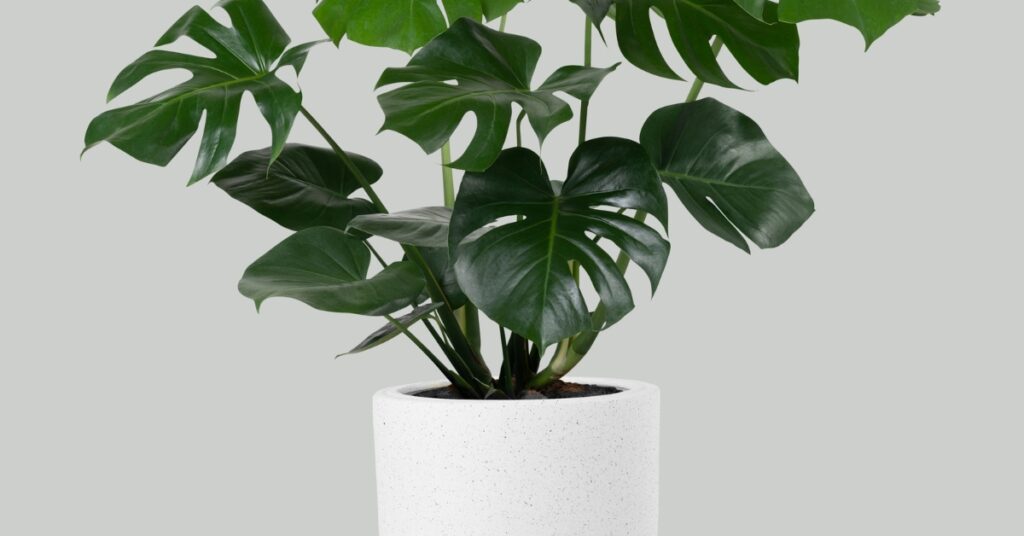
The most popular By far the most popular mistake when it comes to Monstera is overwatering.
Signs of overwatering:
- Yellow leaves
- Mushy stems
- Soil that stays wet for days
Signs of underwatering:
- Drooping leaves
- Dry, crispy edges
The Best Soil to Grow Monstera Plants
Good soil helps roots thrive.
Ideal Soil Mix:
- Drainage potting soil, indoors.
- Perlite for aeration
- Added orchid bark to provide additional drainage.
The idea is to create a light and airy blend, allowing water to run off and leaving some moisture.
Choosing the Right Pot
Potting matters a lot.
Recommended Features:
- Drainage holes
- Sturdy base for big leaves
- A little more than the root ball.
Bensonia Succulents Abacus
The monsteras are natural creeper. In the wild, they climb trees.
Give Support:
- Moss pole
- Wooden stake
- Trellis
How to Fertilize Your Monstera
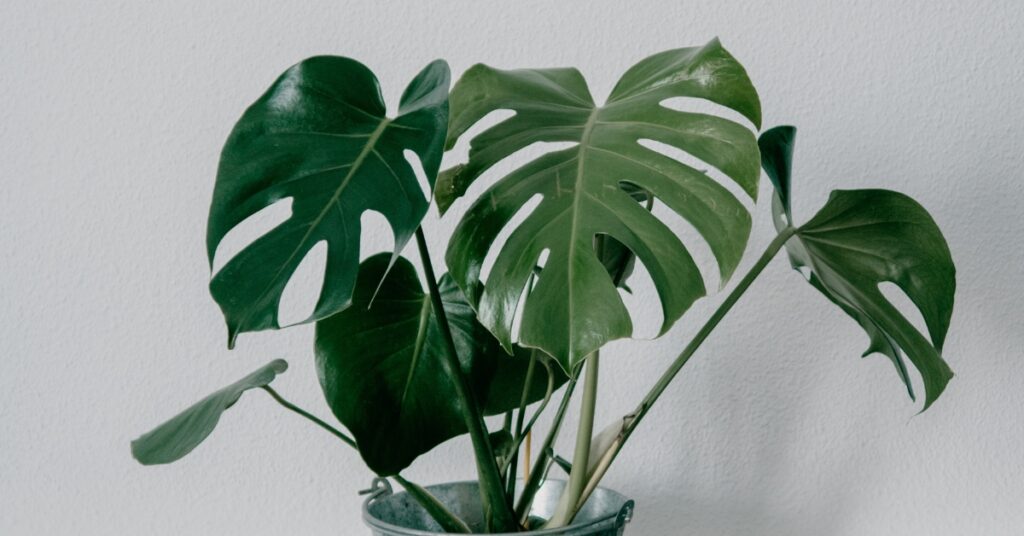
The plant is maintained bright with fertilizer.
Fertilizer Tips:
- Use an equal part of liquid houseplant fertilizer.
- Once a month in spring and summer.
- Don’t overfeed
Humidity and Temperature Requirement
Monstera prefer humid environments.
Ideal Conditions:
If the indoor air is dry, try:
- A humidifier
- A water tray nearby
- Group plants together
How to Propagate a Monstera Plant
Water Propagation Method:
- Saw a stem at least with a node.
- Put the cutting in water
- Keep bright and indirect light on it.
- Wait 2‑4 weeks for roots to grow
- Impact to soil where roots are mature.
In this manner, you can have new plants, or you may divide the cuttings with your friends.
Frequent Monstera Plant Problems
No Leaf Splits
- Growth: The plant is still young or in the shade.
- Solution: Fill it with light indirectly and leave time to elapse.
Drooping Leaves
- Reason: Underwatering or trouble with the root.
- Solution: Measure soil moisture, check roots (where necessary).
How to Style a Monstera Play
Monstera looks great in:
- Living rooms
- Home offices
- Bedrooms
- Entryways
Modern minimalist interiors or tropical ones are given a pop by the bold leaves.
Buy a cute planter to enhance its appearance.
Safety Considerations
Eating of monsteras by pets or children is a mild form of toxicity. They might be irritating or stomach-disturbing.
If you have pets:
- Keep the plant out of reach
- Watch how they interact
- Contact a vet in case a person takes it.
Seasonal Care Tips
Spring & Summer:
- Growing season
- Monthly fertilizing
- Regular watering
Fall & Winter:
- Slower growth
- Cut back watering
- No fertilizing
Switch care adjustment to light and heat variations each season.
FAQs
Q1: Does it require direct sunshine?
A: No, the indirect light is the best. Direct sun can scorch leaves.
Q2: Dropped leaves are turning yellow. Why?
A: The greatest guilty party is overwatering.
Q3: How fast does it grow?
A: It is a good climber and so wears up during spring and summer.
Q4: Can I grow it in low light?
A: It could survive, though otherwise growth integral and decreases and fissures might not be wholly formed.
Key Takeaways
- Monstera are suspect of bright indirect light.
- Water, but do not overflow.
- Use airy, well‑draining soil
- Climb on the support of larger leaves.
- Propagated and cultivates easily.