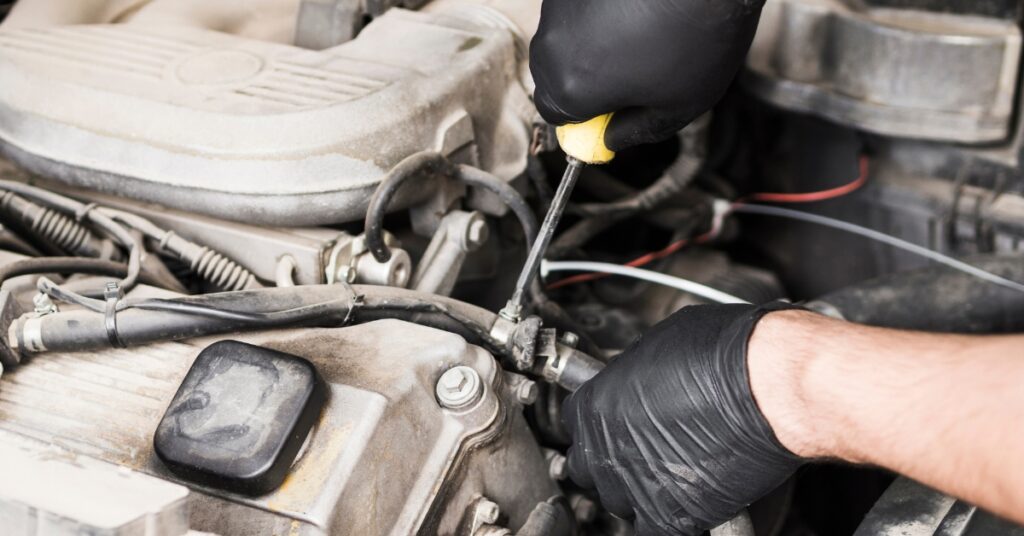
A refrigerant leak in Car AC is one of the most common issues that causes your car’s AC to give up on you. Especially in the scorching hot sun, you can’t really go about your day without a breath of cool air in your car. Leaks like this can quickly become a far greater issue if ignored, although a leak may not seem to be that big of a deal. So here is a brief guide to enlighten you about the major causes of refrigerant leak and the most effective fixes as well. Just think about the peaceful car rides you will have on hot summer days.
What Is a Refrigerant Leak?
A refrigerant leak often results from either deterioration of the seals, a crack within hoses, or failures of the components themselves in a car. Refrigerants are a principal part of your car’s ac system, as they absorb heat from within the car’s cabin and dump it somewhere else, so when refrigerants become wasted via leakage, the AC will blow warmer or less cool air, not cold.
You, as a driver, may also notice a strange smell from the leakage of refrigerants. Refrigerants are usually odorless. If there is any smell, it could range from a chemical sweet scent, something similar to chloroform, or a combination of the two. Even then, some minor leaks may not have any odor at all.
Main causes of refrigerant leak in Car AC.
Your car can get a refrigerant leak in one or more of the ways written below.
-
- Damaged gaskets and seals: as time goes on, the seals and gaskets of your car can dry up, or worse, crack. This ruins the circulation by creating a refrigerant leak.
-
- Weak hoses and connections: In summer, especially, the heat can affect the life of the hoses and the fittings. Even a small blow can cause a leak there.
-
- Rusty condensers and evaporators: on humid days, too much moisture and chunky debris might cause corrosion in parts of the AC system, hence causing leaks.
-
- Loose O-rings: O-rings are the small rings that are used to seal the parts in the system. These rings stop the refrigerant from leaking. When these rings are loose or faulty, a leak might happen.
Detect the leak before it’s too much
If you think you can detect a refrigerant leak by finding a puddle under your car’s battery,I have bad news for you. Since refrigerants like freons evaporate in a blink, it is really unlikely for you to find out this way. But there are a few signs you should keep an eye on:
-
- A cranky cooling job
-
- Getting warm air from the vents instead of cold air
-
- Weird sounds come from the AC while it’s running.
-
- A shiny oil residue among the system parts
Get your car’s AC system checked if even the slightest thing feels out of place. It is always better to nip it in the bud before it gets worse.
Identify the leak properly
To diagnose a leak in your car’s air conditioning unit, a complete and precise inspection is a must-have. Most of the time, technicians will use a special Ultraviolet (UV) dye and refrigerant to trace back the location of any refrigerant leak. The dye will circulate through the A/C system and show up more easily than normal with the use of UV light. Technicians will also perform pressure tests to determine if there has been any loss of pressure, which is a way to determine if there is a leak.
Fix the refrigerant leak in a snap
The type of leak will determine what is needed for the repair. A replacement of a hose or O-ring can usually be done relatively quickly; however, for a more serious problem, such as a corroded condenser or evaporator unit, the entire component may need to be replaced. The repair process is completed by vacuuming out the air and moisture from the system before charging it back up with the appropriate amount of refrigerant.
There is a considerable incentive to repair a refrigerant leak immediately because an AC unit operating with low refrigerant levels will have reduced cooling efficiency and may lead to compressor failure, causing a much greater expense than just repairing the leak itself.
Prevent every Future Refrigerant Leak
Regular maintenance can help keep your car’s air conditioning unit working like new, with maintenance being scheduled at least once every few months. You can be sure your biscuit will last longer if you replace worn seals or O-rings as soon as possible, before they are at risk of breaching. Also, avoid overfilling the refrigerant in your car’s AC unit because excessive amounts of refrigerant will cause the pressure in your AC system to exceed safe limits, resulting in AC refrigerant leaks.
Additionally, shade your car to protect the rubber components from extreme temperatures, which will prevent most types of rubber defects. These and other simple tips will go a long way toward preventing an air conditioner refrigerant leak and extending the life of your AC system.
Enjoy your summer drives in a cool way
You have now learned how to identify and fix a refrigerant leak in the automotive air conditioning system; this includes diagnosing a leak, making repairs, preventing future leaks, and the value of proper care and maintenance for your automotive cooling system. If you find that the cooling system is not working properly, do not wait until the summertime heat prevents you from being able to use your vehicle.