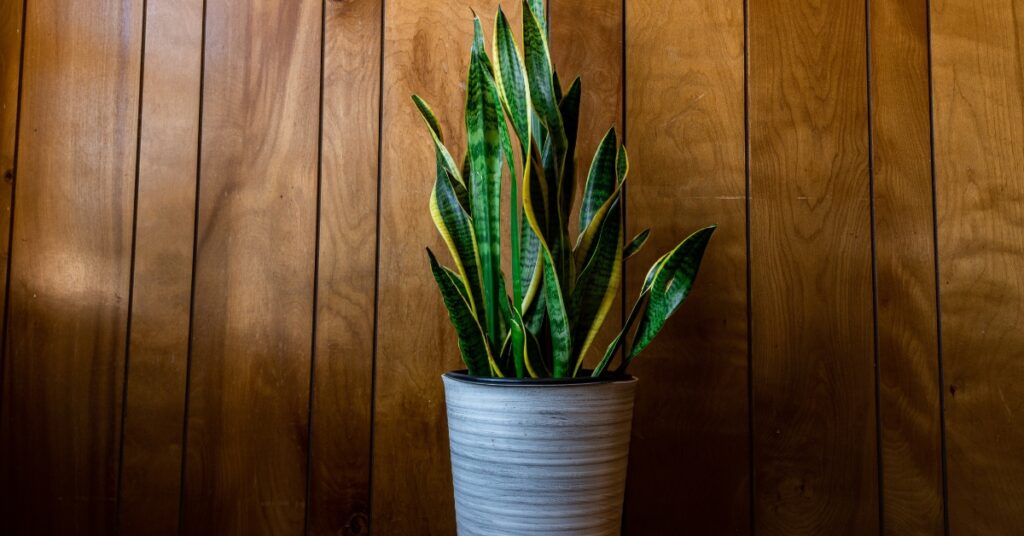
Plants are a treat to your eyes and a blessing to your lungs. Mostly, people get confused while selecting the indoor plants and have no clue about their care. Snake plants are plants that not many people know about. The first reason people choose snake plants as their most common house plant stems from their ability to survive, their attractive appearance, and easy maintenance requirements.
What Are Snake Plants?
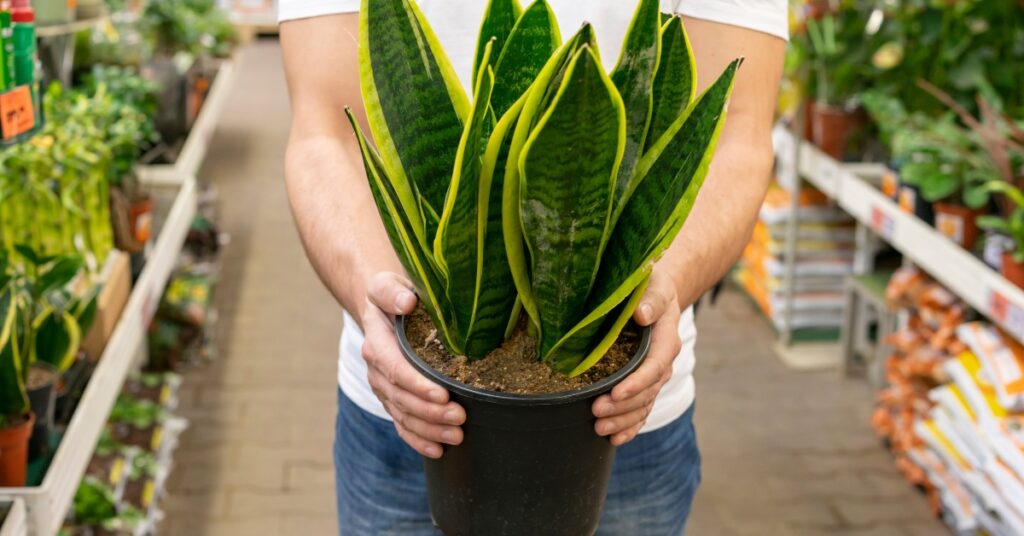
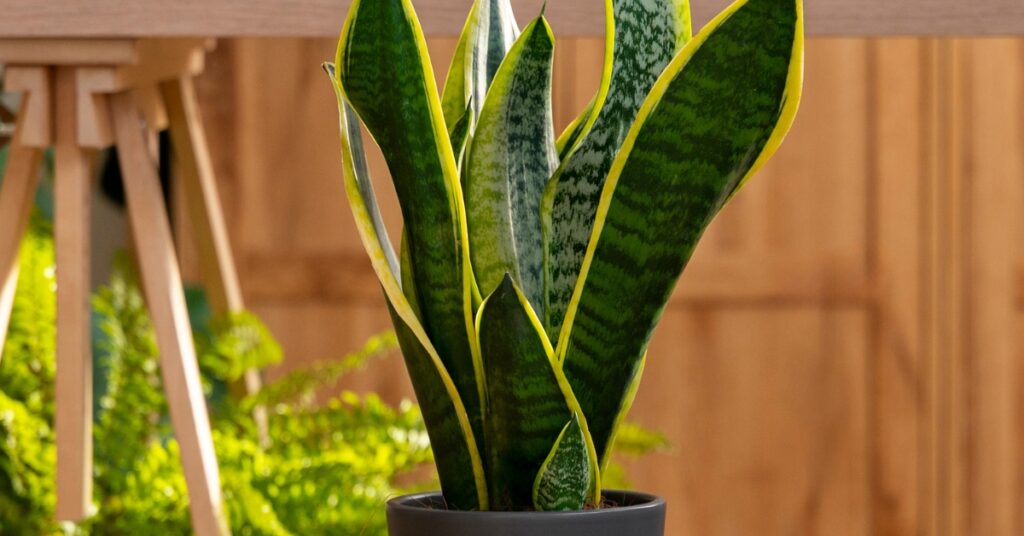
Snake plants, which scientists identify as Sansevieria or Dracaena trifasciata, operate as resilient house plants that display upright growth through their sword-shaped foliage. The plant originates from West Africa and demonstrates its ability to adapt to multiple indoor environmental conditions.
Common features include:
- Thick, upright leaves
- Faded green, using yellow or light edges.
- Drought tolerance
- Slow but steady growth
As a beginner, snake plants are often suggested since they are able to tolerate neglect more than the majority of houseplants.
The Reason Why Snake Plants are the Best Plants to Put in an Indoor Area
Snake plants are attractive, helpful, and pretty.
Key Benefits:
- Low maintenance
- Tolerate low light
- Survive irregular watering
- Improve indoor air quality
- Trendy accessory to other designs.
Snake Plants Light Requirement
Snake plants are able to withstand various lighting conditions.
Best Light Conditions:
- Bright, indirect sunlight
- Partial shade
- Low-light environments
They will grow much quicker in the medium-to-bright indirect light, but they should not be put in the sun, or the leaves will burn off. When you happen to place them anywhere close to a window, curtains are the best with filtered light.

What These Plants Need?
Snake plants are also succulents, thus storing water in their thick leaves. Excess water may create root rot that is normally fatal.
Hint: You can put your finger in the dirt. When it seems dry at least 1-2 inches deep, then it is time to water.
Choosing the Right Pot
Careful choice of pot contributes to healthy development.
Recommended Pot Features:
- Drainage holes
- Fitted loosely (not very loose)
- More moisture-controlled terracotta pots.
Fertilizing Snake Plants
Snake plants do not require very regular feeding.
Fertilizer Tips:
- Fill with fertilizer for a house plant.
- Fertilize every 23 months of the growing season (spring and summer)
- Skip fertilizing in winter
An excess of fertilizer may destroy roots and make leaves look strange in color.
The Propagation of Snake Plants
Spreading propaganda is easy and gratifying.
Method 1 – Leaf Cuttings
- Take a healthy leaf and cut it at the bottom.
- Let it dry for 1–2 days.
- Thrust the cutting into water or soil.
- Take a couple of weeks to germinate roots.
Method 2 – Division
- Pull the plant out of the pot.
- Pick out distinct groups of roots.
- Soil in every part is fresh.
The quickest method and produces you mature looking plants is division.
Problems and suggested solutions
Yellowing Leaves
- Cause: Overwatering
- Resolution: Dry soil and cut down the frequency of watering.
Soft or Mushy Leaves
- Cause: Root rot
- Remedy: Take out and use fresh, dry soil.
Brown Tips
- Effects: Dry air or lack of watering.
- Solution: Have a regular care schedule.
Slow Growth
- Cause: Low light
- Remedy: Have the plant shifted to a higher indirect light.
Snake Plant Seasonal Care
Snake plants do not require a lot of seasonal care.
Spring & Summer:
- Active growth period
- Light fertilizing
- Less frequent watering, slightly more often.
Fall & Winter:
- Reduce watering
- Skip fertilizer
- Keep away from cold drafts
Snake Plants as Pet-safe plants?
If you have pets:
- Have the plant on higher shelves.
- Use hanging planters
- Watch what your pets are up to
- You should always call a vet in case they eat the plant.
The Styling Snake Plants in Your House
Snake plants can suit most interior designs.
Placement Ideas:
- Entryway statement plant
- Bedroom corner
- Office desk accent
- Bathroom greenery
- Minimalist living room décor
- Their slim vertical shape makes them space-efficient.
Other Monies To Have Your Snake Plants Bloom
- Occasionally, rotate the plant and achieve even growth.
- Cleanse with a damp towel to take off dust.
- Do not impose an abrupt change of temperature on it.
- Don’t mist too often
FAQs
Q1: Does a snake plant require sunlight?
They prefer bright indirect light, yet low light can be managed.
Q2: Is it possible to have snake plants in offices?
Sure, they are very accustomed to office lighting and dry air.
Q3: What is written on the back of my snake plant leaves?
It is normally a result of overwatering or a lack of sufficient light.
Key Takeaways
- Snake plants are easy to grow and not hardy.
- It is essential to water properly in order to prevent root rot.
- They are fine in low light as they thrive in bright and indirect light.