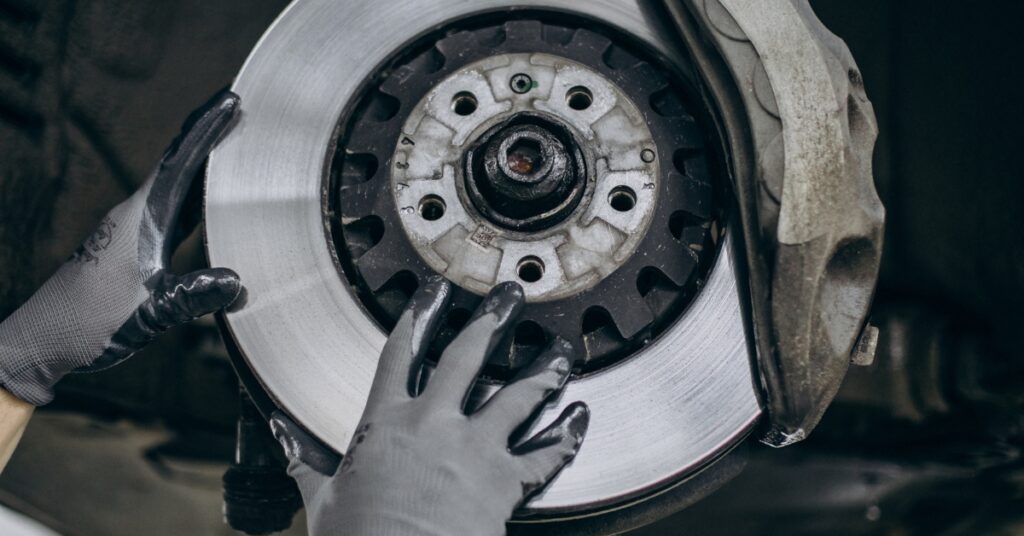
We are all familiar with the experience of driving in a busy intersection. You step on the pedal, and your car slows down when it should.
Your brake pads have to work hard every day. They turn motion into heat while stopping the wheels. This heat slowly wears the material until nothing is left.
The big question that many drivers often ask themselves is how long do brake pads last before they require replacement. This guide will help you understand your brakes and learn how to keep your car safe on the road.
The Average Lifespan of Your Brakes
The majority of specialists estimate that the life of brake pads is 30,000-70,000 miles. That is a very wide range for a car part. Some people find they need new ones every year, while others go five years without a thought.
Your brakes will probably last longer if you drive a lot on the highway. You may find them wear out more quickly if you live in a great city. It all depends on the amount of friction they are experiencing daily.
The Key Factors of How Long Do Brake Pads Last
There are many reasons why one person’s brakes last longer than another’s. It is about where and how you drive it every day.
- Your Personal Driving Style
If you like to drive fast and stop quickly, your brakes pay the price. Hard braking creates a massive amount of heat. This heat eats away at the friction material very quickly.
Drivers who look forward and decelerate in good time are generous to their vehicles. Pressing the pedal softly will save the life of the pads.
- Where You Spend Your Time
The largest enemy of long-life brake pads is city driving. You will always have to stop at red lights and at pedestrian crossings. This “stop-and-go” motion means your brakes never get a break.
In contrast, highway driving is very easy on your braking system. AC System Repair Guide. You might go fifty miles without ever touching the pedal. This allows the pads to stay cool and intact for a long time.
- Your Vehicle’s Weight
The heavier your car, the more force is required to stop it. This further momentum causes a lot of additional wear to the pads.
Brakes will wear out quickly if you usually transport heavy tools or drag a trailer. With each additional pound, the system experiences greater strain.
Understanding Different Brake Materials
There are three main choices. Each one has a different lifespan and price tag.
- Organic Pads for a Quiet Ride
Organic pads are made from materials like rubber, glass, and carbon. They are very soft and make almost no noise when you stop. They are also usually the most affordable option.
Because they are soft, they wear down the fastest. They also create a lot of dark dust that gets on your wheels. These are great for light cars and calm drivers.
- Semi-Metallic Pads for Strength
These are the “workhorses” of the car world. They consist of a combination of metals such as iron and copper. They are extremely powerful and capable of withstanding high temperatures.
They last longer than organic pads but can be a bit noisy. You might hear a slight squeak when they are cold. Most new cars come with these from the factory.
- Ceramic Pads for the Long Haul
Most drivers now prefer high-quality ceramic pads. Their durability is remarkable, and their ability to generate dust is minimal.
They are more expensive in the short term, but will likely have the longest life cycle. They feel very smooth and consistent when you press the pedal.
Warning Signs You Can’t Ignore
Your car is quite good at telling you when something goes wrong. The majority of braking issues begin with a minor sound before escalating to a major threat.
- The Warning Squeal
Most pads have a tiny metal piece called a “wear indicator.” When the pad becomes too thin, this metal will be in contact with the wheel. It makes a squeaky noise to alert you that you need to see a mechanic. It should not be ignored because it causes additional costs down the line through repairs.
- Grinding and Shaking
If you hear a loud grinding sound, your pads are likely gone. This is to say that the metal backing is touching your rotors. There is also the possibility that you are experiencing a vibration in your steering wheel. This usually translates to having overheated and warped brakes.
Conclusion
The answer to the question of how long do brake pads last rests in your hands. The average lifespan of a good set of pads may well be three years. With an active braking system, you can drive with confidence knowing your car will stop when you need it to.